Quick Care Checklist
- Choose a breed by lifestyle fit, not just looks: energy, noise, grooming, and space all matter.
- Meet the actual cat before deciding; individual personality can differ from breed averages.
- Budget for adoption or breeder price plus food, vet care, grooming, and emergencies.
- Ask about health screening for breeds with known risks, such as HCM in Maine Coon and Ragdoll cats.
- Consider adopting a domestic cat; pattern cats like tabby, tuxedo, and black cats are usually low-cost at shelters.
- Avoid breeds with welfare concerns, such as Scottish Fold, unless you are prepared for long-term care.
How to Use This Chart
Ratings run from 1 to 5, where 1 is lowest and 5 is highest. Higher shedding means more fur to clean, higher vocal means more meowing, higher affection means more cuddling, and higher care difficulty means the breed needs more experience or upkeep.
Prices are typical pet-quality ranges in the US and vary by breeder, region, and lineage. Adoption from a shelter or rescue usually costs $50-250 and includes vaccines, microchip, and spay or neuter. Pattern cats such as orange tabbies, tuxedo cats, calicos, tortoiseshells, and black cats are domestic shorthairs or longhairs rather than breeds.
48-Breed Comparison Table
| 1 | Orange Tabby | Medium | Short | 9-18 lb | 12-16 years | 3/5 | 2/5 | 4/5 | 2/5 | Adoption $50-200 |
| 2 | Dragon Li | Medium | Short | 8-13 lb | 14-18 years | 3/5 | 1/5 | 2/5 | 1/5 | Adoption or $300-800 |
| 3 | Tuxedo Cat | Medium | Short | 7-13 lb | 12-16 years | 3/5 | 4/5 | 3/5 | 3/5 | Adoption $50-200 |
| 4 | Calico | Medium | Short | 7-11 lb | 14-18 years | 4/5 | 2/5 | 3/5 | 2/5 | Adoption $50-200 |
| 5 | Tortoiseshell | Medium | Short | 6-10 lb | 14-18 years | 3/5 | 3/5 | 3/5 | 3/5 | Adoption $50-200 |
| 6 | White Cat | Medium | Short or Long | 7-13 lb | 12-16 years | 3/5 | 2/5 | 4/5 | 3/5 | Adoption $50-200 |
| 7 | Black Cat | Medium | Short | 7-13 lb | 12-18 years | 2/5 | 1/5 | 3/5 | 1/5 | Shelter $0-100 |
| 8 | Linqing Lion Cat | Large | Long | 9-18 lb | 14-16 years | 4/5 | 2/5 | 4/5 | 3/5 | Rare; $500-1,500 |
| 9 | Jianzhou Cat | Medium | Short | 8-12 lb | 14-18 years | 2/5 | 1/5 | 2/5 | 1/5 | Adoption $50-200 |
| 10 | Yellow Tabby | Medium | Short | 8-12 lb | 14-18 years | 3/5 | 2/5 | 4/5 | 1/5 | Adoption $50-200 |
| 11 | Maine Coon | Large | Long | 11-24 lb | 12-15 years | 5/5 | 3/5 | 5/5 | 3/5 | $800-2,500 |
| 12 | Norwegian Forest | Large | Long | 9-15 lb | 14-16 years | 5/5 | 2/5 | 3/5 | 3/5 | $1,000-2,500 |
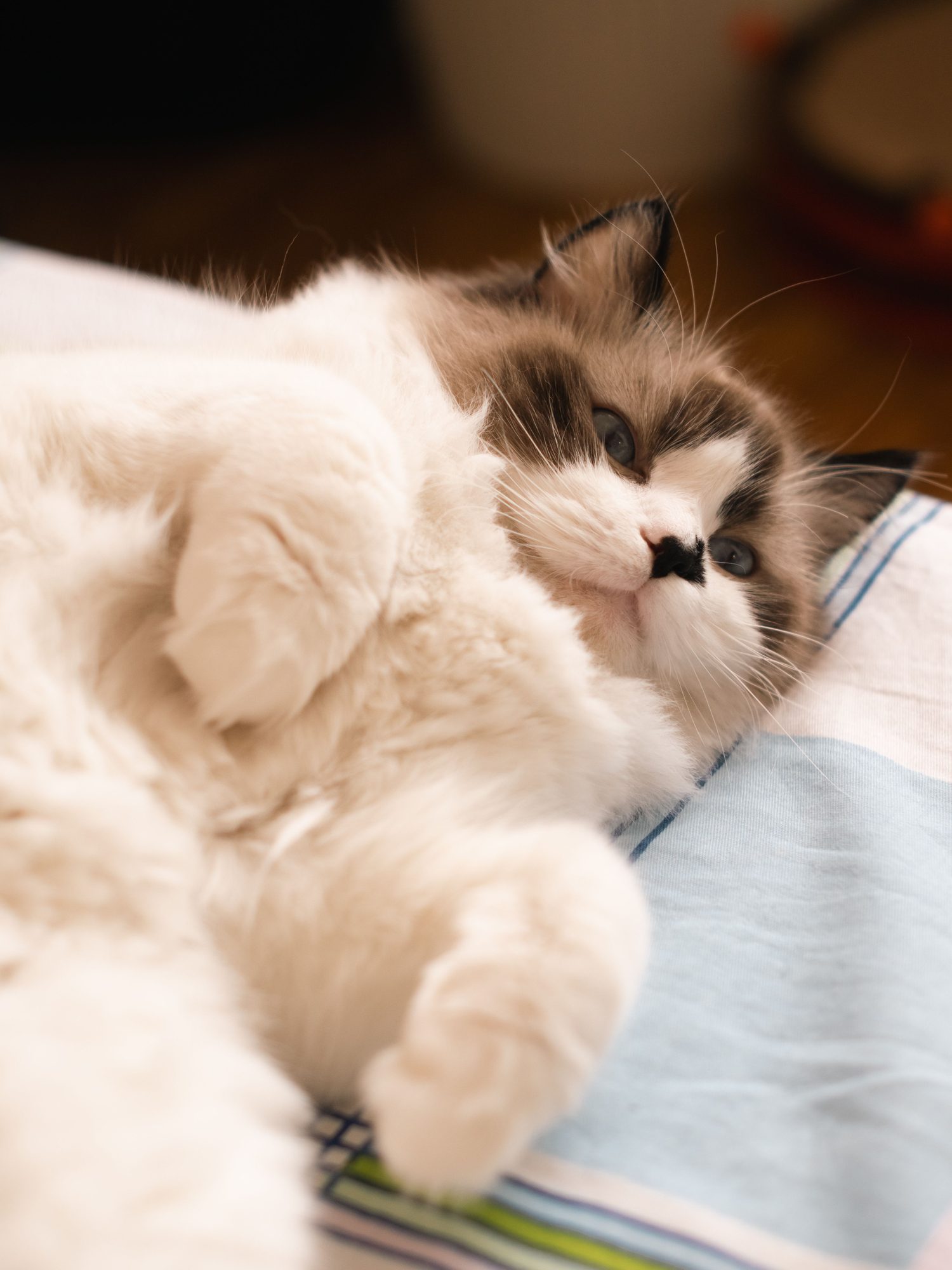
| 13 | Ragdoll | Large | Long | 10-20 lb | 12-17 years | 4/5 | 1/5 | 5/5 | 3/5 | $1,000-2,500 |
| 14 | Siberian | Large | Long | 9-20 lb | 12-15 years | 3/5 | 4/5 | 4/5 | 3/5 | $1,200-3,000 |
| 15 | Savannah | Large | Short | 11-26 lb | 12-20 years | 2/5 | 3/5 | 4/5 | 5/5 | $1,500-5,000 (F4+); F1 higher |
| 16 | British Shorthair | Medium | Short | 9-15 lb | 12-17 years | 4/5 | 1/5 | 3/5 | 2/5 | $800-2,000 |
| 17 | American Shorthair | Medium | Short | 8-13 lb | 15-20 years | 3/5 | 2/5 | 3/5 | 2/5 | $800-1,500 |
| 18 | Siamese | Medium | Short | 6-10 lb | 15-20 years | 2/5 | 5/5 | 5/5 | 3/5 | $500-1,200 |
| 19 | Scottish Fold | Medium | Short or Long | 7-12 lb | 12-15 years | 3/5 | 1/5 | 4/5 | 4/5 | $1,000-2,500 |
| 20 | Exotic Shorthair | Medium | Short | 8-12 lb | 12-15 years | 3/5 | 2/5 | 4/5 | 3/5 | $1,000-2,500 |
| 21 | Bengal | Medium | Short | 8-15 lb | 12-16 years | 2/5 | 4/5 | 4/5 | 5/5 | $1,500-4,000 |
| 22 | Russian Blue | Medium | Short | 7-11 lb | 15-20 years | 1/5 | 1/5 | 3/5 | 2/5 | $1,000-2,500 |
| 23 | Birman | Medium | Long | 7-13 lb | 12-16 years | 3/5 | 2/5 | 4/5 | 2/5 | $800-2,000 |
| 24 | Abyssinian | Medium | Short | 6-11 lb | 12-15 years | 2/5 | 3/5 | 3/5 | 3/5 | $1,000-2,500 |
| 25 | Persian | Medium | Long | 8-12 lb | 12-17 years | 5/5 | 1/5 | 4/5 | 5/5 | $1,000-2,500 |
| 26 | Devon Rex | Medium | Curly | 6-9 lb | 10-15 years | 1/5 | 3/5 | 5/5 | 4/5 | $1,000-2,500 |
| 27 | Munchkin | Small | Short or Long | 4-9 lb | 12-15 years | 3/5 | 2/5 | 4/5 | 2/5 | $1,000-2,500 |
| 28 | Tonkinese | Medium | Short | 6-11 lb | 12-16 years | 2/5 | 3/5 | 4/5 | 2/5 | $800-1,800 |
| 29 | Singapura | Small | Short | 4-6 lb | 12-15 years | 2/5 | 2/5 | 4/5 | 2/5 | $1,000-3,000 |
| 30 | Sphynx | Medium | Hairless | 7-11 lb | 12-15 years | 0/5 | 3/5 | 5/5 | 5/5 | $1,500-3,000 |
| 31 | Himalayan | Medium | Long | 8-12 lb | 12-15 years | 5/5 | 1/5 | 4/5 | 5/5 | $1,000-2,500 |
| 32 | Burmese | Medium | Short | 7-11 lb | 12-16 years | 2/5 | 3/5 | 5/5 | 2/5 | $800-2,000 |
| 33 | Turkish Angora | Medium | Long | 6-11 lb | 12-18 years | 3/5 | 2/5 | 4/5 | 2/5 | $800-1,800 |
| 34 | Somali | Medium | Long | 7-11 lb | 12-15 years | 3/5 | 3/5 | 3/5 | 3/5 | $1,000-2,500 |
| 35 | Egyptian Mau | Medium | Short | 6-11 lb | 12-15 years | 2/5 | 3/5 | 3/5 | 4/5 | $1,200-3,000 |
| 36 | Japanese Bobtail | Medium | Short or Long | 6-9 lb | 12-15 years | 3/5 | 4/5 | 4/5 | 2/5 | $800-2,000 |
| 37 | Chartreux | Medium | Short | 7-15 lb | 12-15 years | 3/5 | 1/5 | 3/5 | 2/5 | $800-2,000 |
| 38 | Cornish Rex | Medium | Curly | 6-9 lb | 12-15 years | 1/5 | 3/5 | 5/5 | 4/5 | $1,000-2,500 |
| 39 | Selkirk Rex | Medium | Curly | 7-13 lb | 12-15 years | 2/5 | 2/5 | 4/5 | 2/5 | $800-2,000 |
| 40 | Ocicat | Medium | Short | 7-13 lb | 12-15 years | 2/5 | 3/5 | 4/5 | 3/5 | $1,000-2,500 |
| 41 | Oriental Shorthair | Medium | Short | 6-10 lb | 12-15 years | 2/5 | 5/5 | 5/5 | 3/5 | $800-1,800 |
| 42 | Snowshoe | Medium | Short | 7-11 lb | 12-16 years | 2/5 | 3/5 | 4/5 | 2/5 | $800-1,800 |
| 43 | LaPerm | Medium | Curly | 6-9 lb | 12-15 years | 1/5 | 2/5 | 4/5 | 1/5 | $800-1,800 |
| 44 | Manx | Medium | Short or Long | 7-12 lb | 12-16 years | 3/5 | 2/5 | 4/5 | 3/5 | $800-1,800 |
| 45 | Toyger | Medium | Short | 8-15 lb | 12-15 years | 2/5 | 2/5 | 4/5 | 2/5 | $1,500-3,500 |
| 46 | American Curl | Medium | Short or Long | 6-11 lb | 12-16 years | 3/5 | 2/5 | 4/5 | 2/5 | $800-2,000 |
| 47 | Burmilla | Medium | Short or Long | 7-11 lb | 12-16 years | 3/5 | 2/5 | 3/5 | 2/5 | $800-1,800 |
| 48 | Korat | Medium | Short | 6-10 lb | 12-15 years | 2/5 | 1/5 | 3/5 | 2/5 | $1,000-2,500 |
Click a column header to sort. Ratings run from 1 to 5.
Longest-Lived Breeds
- American Shorthair15-20 years
- Russian Blue15-20 years
- Savannah12-20 years
- Siamese15-20 years
- Black Cat12-18 years
- Calico14-18 years
- Dragon Li14-18 years
- Jianzhou Cat14-18 years
- Tortoiseshell14-18 years
- Turkish Angora12-18 years
Long-lived cats tend to be natural breeds or domestic cats with moderate size and no extreme facial, ear, or leg traits.
Easiest Breeds for Beginners
- Black CatCare 1/5
- Dragon LiCare 1/5
- Jianzhou CatCare 1/5
- LaPermCare 1/5
- Yellow TabbyCare 1/5
- American CurlCare 2/5
- American ShorthairCare 2/5
- BirmanCare 2/5
- British ShorthairCare 2/5
- BurmeseCare 2/5
Lowest-Shedding Breeds
- SphynxShedding 0/5
- Cornish RexShedding 1/5
- Devon RexShedding 1/5
- LaPermShedding 1/5
- Russian BlueShedding 1/5
- AbyssinianShedding 2/5
- BengalShedding 2/5
- Black CatShedding 2/5
- BurmeseShedding 2/5
- Egyptian MauShedding 2/5
Hairless cats like the Sphynx shed nothing, but they need regular bathing because skin oils build up quickly.
Which Breed Should You Choose?
| Your situation | First choice | Backup | Why |
|---|---|---|---|
| First-time owner | British Shorthair | American Shorthair | Calm, low maintenance, and generally healthy. |
| Live alone and away often | British Shorthair | Russian Blue | Independent and comfortable with quiet time. |
| Family with children | Ragdoll | Maine Coon | Gentle, patient, and tolerant of handling. |
| Allergies or dislike of shedding | Russian Blue | Siberian | Lower Fel d 1 levels and less shedding, though no cat is truly hypoallergenic. |
| Tight budget | Adopt a domestic cat | Local shelter or rescue | Tabby, tuxedo, calico, and black cats are healthy, low-cost, and everywhere. |
| Small apartment | Exotic Shorthair | British Shorthair | Low exercise needs and quiet indoor habits. |
| Want an interactive, chatty cat | Siamese | Bengal | Intelligent, social, and eager to talk and play. |
| Want a cat you can walk | Maine Coon | Bengal | Confident cats that adapt well to a harness with training. |
| Want a dog-like cat | Maine Coon | Siamese | Follows people, plays fetch, and stays close. |
| Want a show-stopping look | Ragdoll | Bengal | Striking coats, but grooming and enrichment needs are higher. |
Breed sets a baseline, but the individual cat matters more. Spend time with the cat at a shelter, rescue, or cattery before deciding. The cat picks you as much as you pick the cat.
Scottish Fold warning: the folded-ear gene always causes cartilage problems, and affected cats can live with joint pain their whole lives. Breeding Scottish Folds is banned in the UK and several European countries. If you still consider one, plan for veterinary orthopedic care.
Common Mistakes
- Choosing a breed only for its looks and ignoring grooming, exercise, and health needs.
- Expecting every cat of a breed to have the same personality.
- Paying breeder prices when adoption would meet the same needs, especially for pattern cats.
- Forgetting lifetime costs: food, litter, vet care, grooming, and emergency savings.
- Buying a Scottish Fold without understanding the welfare and orthopedic risks.
- Bringing home a kitten without meeting the parents or reviewing health-testing records.
When to See a Veterinarian
Have any new cat examined within the first week, and ask the breeder or shelter for vaccination, deworming, and spay or neuter records. Breeds with known risks may need extra screening, such as echocardiography for hypertrophic cardiomyopathy in Maine Coon, Ragdoll, and British Shorthair cats. This guide is informational only and is not a substitute for professional veterinary advice.
FAQ
Which cats live the longest?
Domestic cats and natural breeds usually live longest, and some reach their early 20s. The oldest recorded cat lived to 38.
Which breed is best for a first-time owner?
British Shorthair and American Shorthair are common picks because they are calm, adaptable, and healthy. Adopting an adult domestic cat is another low-risk start.
Are purebred cats healthier than domestic cats?
Usually the opposite. Domestic cats have a wider gene pool and fewer inherited diseases, while purebred cats can carry breed-specific risks such as HCM and skeletal problems.
How much does a purebred kitten cost in the US?
Pet-quality kittens typically range from about $500 to $3,000 depending on breed and region, with rare or in-demand breeds costing more. Adoption is usually $50-250.
Are hypoallergenic cats real?
No cat is completely hypoallergenic. Russian Blue and Siberian cats often produce less Fel d 1, but individual responses vary, so spend time with the cat first.
Is the Scottish Fold banned?
Breeding is banned in the UK and several European countries because of welfare concerns. It is not banned in the US, but veterinarians generally discourage it.
Content note
This guide is for general education. It does not represent a veterinary review or replace advice for your pet's individual situation.