Quick Care Checklist
- Refresh drinking water and check that bowls, bottles, and fountains are clean and working.
- Feed the measured amount recommended for your pet and note any unusual appetite change.
- Provide species-appropriate movement, play, or foraging rather than relying on free access to food.
- Check the litter tray, toilet area, bedding, and living space for waste, spills, or hazards.
- Spend one quiet minute noticing breathing, movement, coat, eyes, mouth, and normal behavior.
A simple morning routine
Start with the essentials that can become urgent when missed: water, food, medication if prescribed, and a safe toilet area. Look at the water source rather than assuming it is full. A blocked bottle nozzle or dirty bowl can stop a small pet from drinking.
Use the first meal as an observation point. A single skipped meal is not a diagnosis, but a change that continues or comes with vomiting, diarrhea, pain, weakness, or breathing trouble deserves a call to your veterinary team.
Movement and enrichment
Dogs usually need walks and sniffing time; cats benefit from short hunting-style play sessions, climbing or resting choices, and food puzzles; rabbits and rodents need safe space to move, hide, forage, and explore. Match the activity to age, body condition, species, and any medical restriction.
End play before your pet is exhausted or frustrated. A calm routine repeated most days is more useful than a long burst of activity once a week.
The evening reset
Remove uneaten perishable food, scoop or clean the toilet area, and return toys or chews that are still safe. Wash food and water containers often enough that they do not feel slimy or smell stale. Keep a short note of medication, appetite, stool, or behavior changes so you can describe a pattern accurately.
Weekly and monthly checks
- Weigh your pet when practical, using the same scale and similar conditions.
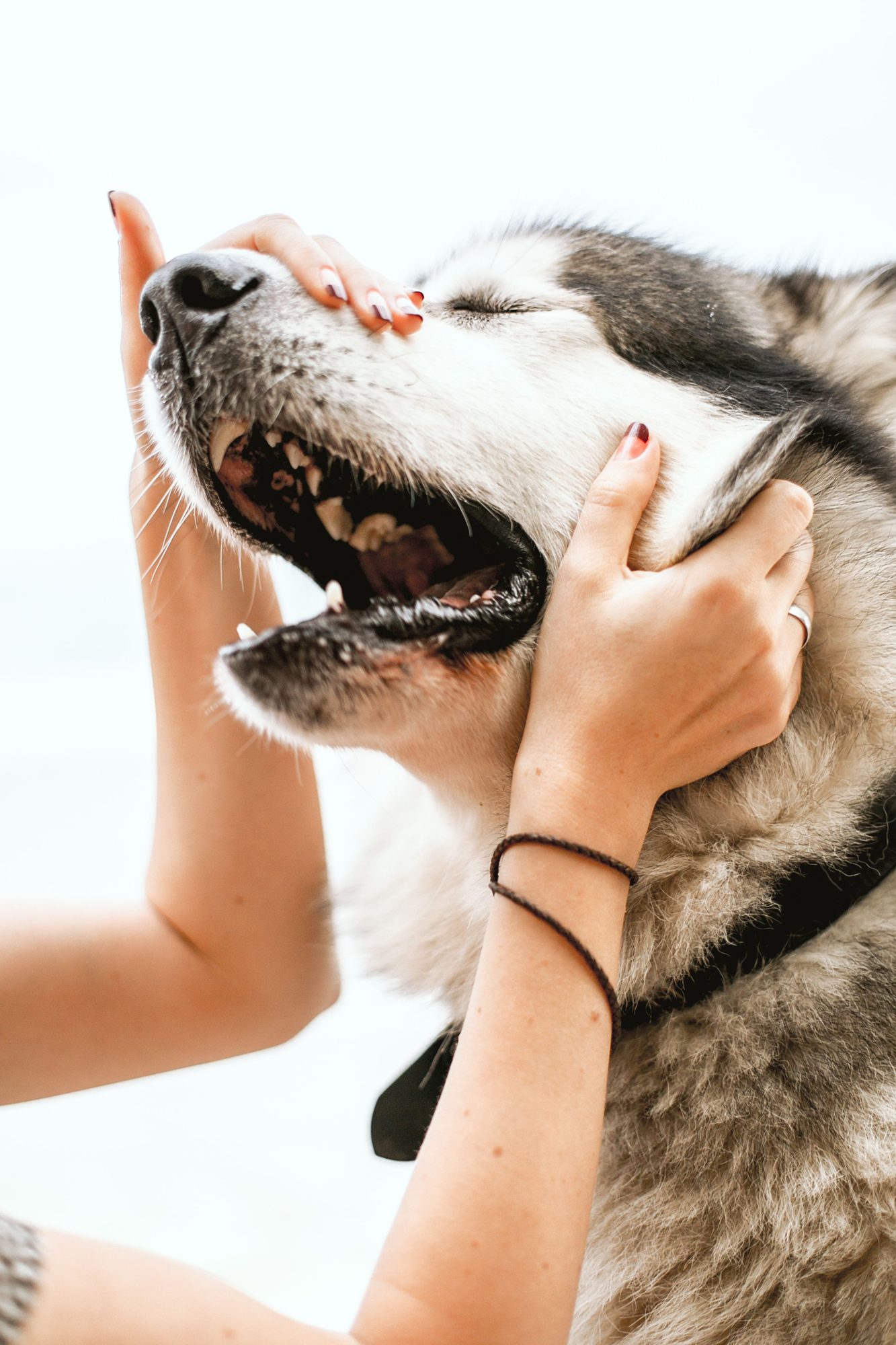
- Inspect nails, coat, ears, teeth, bedding, cage bars, fences, carriers, and identification details.
- Review parasite prevention, vaccine appointments, prescription refills, and emergency contact numbers.
- Wash bedding and clean the environment without removing every familiar scent at once.
Routine veterinary care is part of the routine too. At least annual exams are a common baseline for dogs and cats, while senior pets or pets with ongoing conditions may need more frequent monitoring.
When to Contact a Veterinarian
Contact a veterinarian for persistent appetite or drinking changes, repeated vomiting or diarrhea, pain, collapse, difficulty breathing, straining to urinate, sudden weakness, or any behavior change that feels clearly abnormal for your pet. Do not wait for a routine appointment when signs are severe or rapidly worsening.
FAQ
Do I need a strict schedule?
A predictable rhythm helps most pets, but the exact clock time can be flexible. Consistency matters more than perfection.
How much exercise is enough?
There is no single number for every pet. Start with comfortable activity, watch recovery and body condition, and ask your veterinarian to adapt the plan for age, breed, and health.
What should I record?
Record meals, medication, weight, stool or urine changes, and anything unusual. A dated photo or short video can help a veterinarian assess a change.
Sources
These references informed this general-education guide. Your veterinarian can adapt the advice to your pet's species, age, health, and living conditions.
Content note
This guide is for general education. It does not represent a veterinary review or replace advice for your pet's individual situation.