Quick Care Checklist
- Provide a warm, dry, draft-free resting area with bedding that is safe for your species.
- Shorten outdoor time for pets that are small, elderly, short-coated, ill, or uncomfortable in cold weather.
- Wipe paws after walks to remove salt, ice, grit, and chemicals, and check for cracks or redness.
- Keep water from freezing and keep antifreeze, de-icers, and other chemicals completely out of reach.
- Watch for shivering, weakness, frostbite, reluctance to move, or a sudden drop in normal activity.
Warmth without hazards
Give pets a dry bed away from drafts and direct contact with cold floors. Senior pets and animals with thin coats or mobility problems may need extra warmth, but any heated pad or bed must be made for pets, used as directed, and monitored to prevent burns. Do not put rabbits or rodents next to heaters or leave electrical wires within reach.
Outdoor dogs and cats
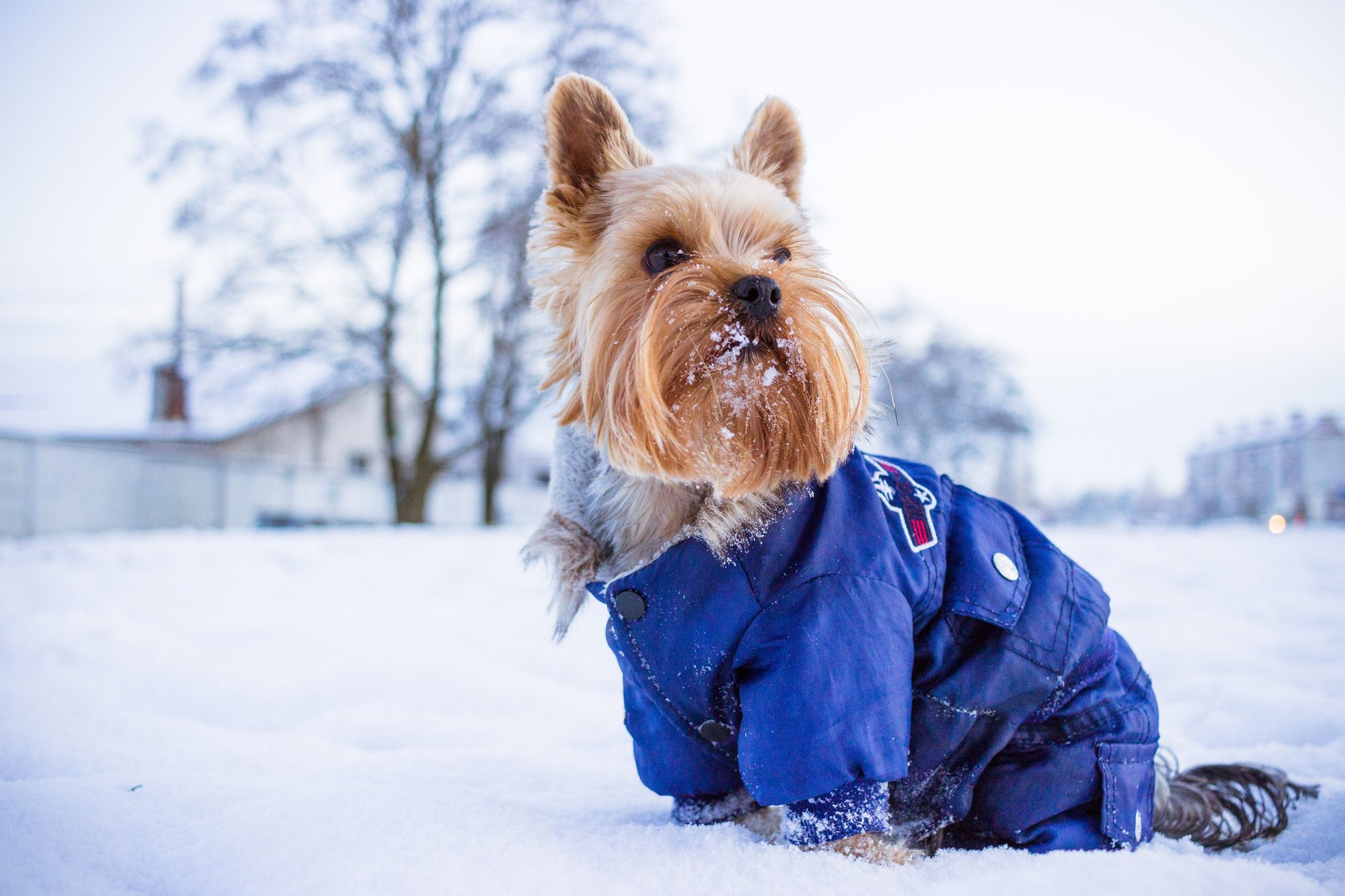
Limit time outside in freezing weather and watch the pet rather than relying on breed reputation. Small-breed dogs, senior pets, short-coated animals, and pets with health problems can become cold quickly. Use a properly fitted coat only if the pet is comfortable, and keep walks shorter with a warm indoor recovery space.
Outdoor cats need reliable access to a warm, dry shelter and should not be trapped outside by an automatic door schedule. A heated engine can attract cats, so check around and under a vehicle before starting it.
Paws, salt, and antifreeze
After a walk, wipe paws and fur with a warm damp cloth, then dry thoroughly. Road salt and de-icers can irritate paws and cause illness if licked. Antifreeze is highly toxic; clean spills immediately and store containers securely. If you suspect ingestion, call a veterinarian or poison-control service without waiting for symptoms.
Rabbits and small rodents
Keep enclosures dry, insulated from wind, and well ventilated. Provide extra safe bedding and enough hay for both food and warmth, but replace damp or mouldy material. Check water bottles or bowls frequently for freezing. Rabbits do not hibernate, so a limp or unusually sleepy rabbit needs immediate veterinary attention.
When to Contact a Veterinarian
Contact a veterinarian urgently for severe shivering, weakness, confusion, pale or painful skin, suspected antifreeze or chemical exposure, frostbite, difficulty breathing, or a pet that is cold and unresponsive. Do not rub suspected frostbite or use direct high heat.
FAQ
Do pets need coats in winter?
Some do, especially small, short-coated, elderly, or ill pets. A coat must fit comfortably, stay dry, and never replace limiting exposure or providing shelter.
Can I use a human de-icer around pets?
Use products carefully and follow the label, but assume any chemical can be harmful if licked. Wipe paws and store all products securely.
How do I warm a cold pet?
Move the pet indoors, wrap gently in dry blankets, avoid direct high heat, and contact a veterinarian for anything beyond mild chill or for any abnormal behavior.
Sources
These references informed this general-education guide. Your veterinarian can adapt the advice to your pet's species, age, health, and living conditions.
Content note
This guide is for general education. It does not represent a veterinary review or replace advice for your pet's individual situation.