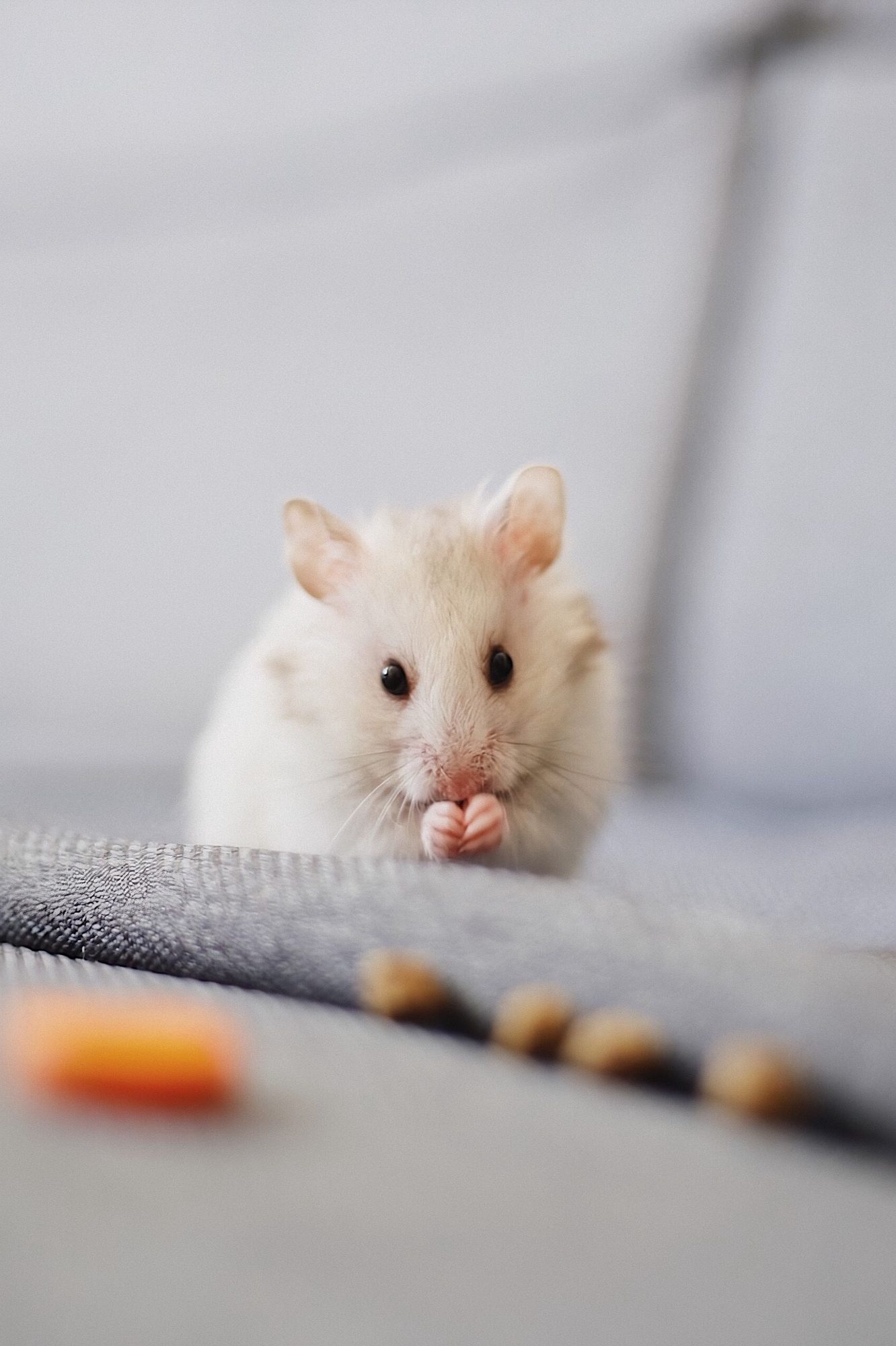
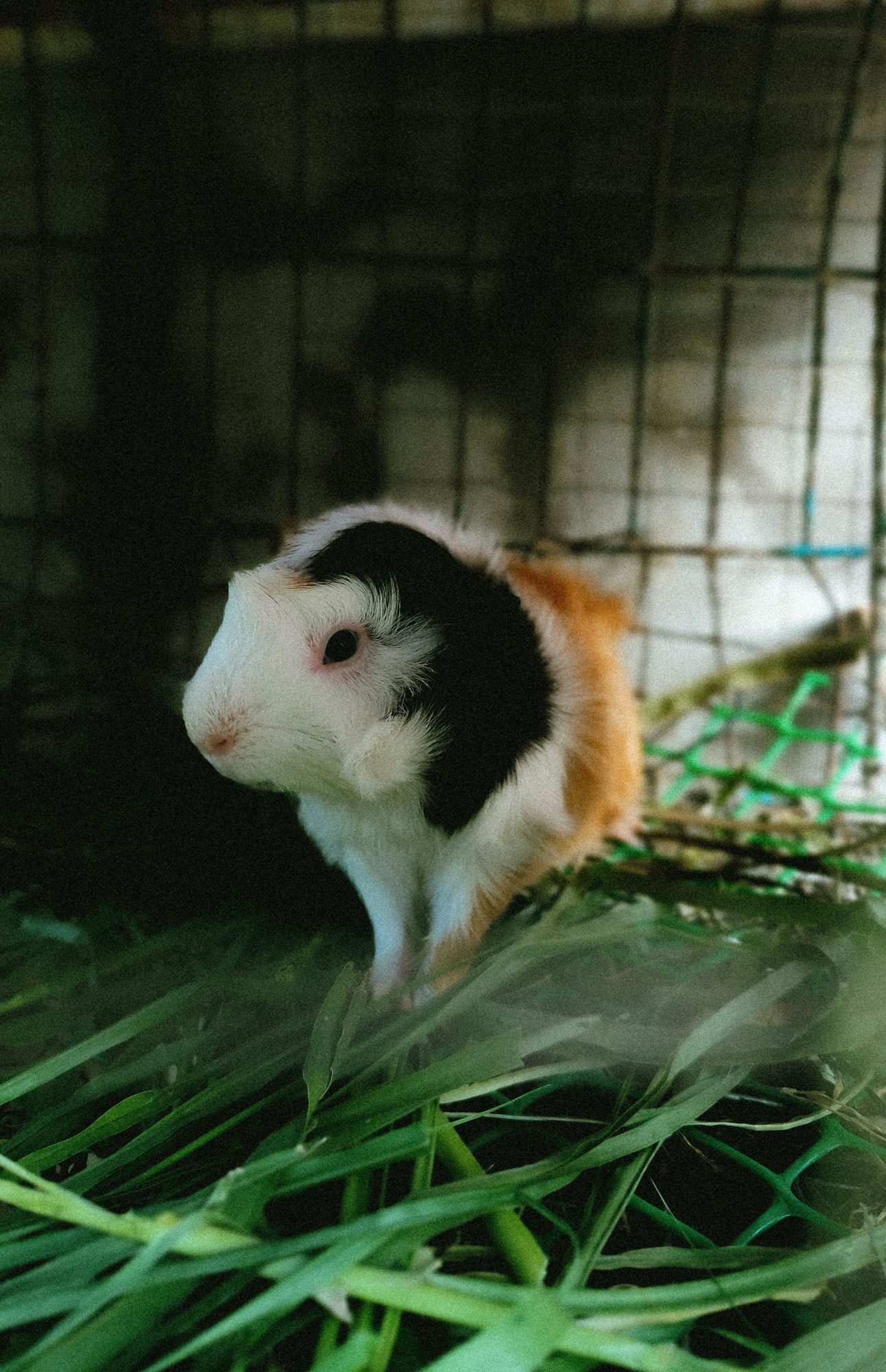
Quick Care Checklist
- Keep rats with compatible rat companions unless a veterinarian gives a specific reason not to.
- Use a large, secure, well-ventilated cage with a solid floor, shelves, hides, tunnels, and climbing options.
- Feed a complete rat diet with small amounts of safe variety, and provide fresh water every day.
- Offer supervised time outside the cage in a rat-proofed area for exploration and interaction.
- Check breathing, coat, eyes, teeth, appetite, droppings, movement, and social behavior every day.
Rats need company and complexity
Pet rats are social, active, and curious. A suitable home lets them climb, explore, hide, nest, forage, and rest apart when they choose. Keep compatible rats together, introduce unfamiliar rats carefully, and provide enough shelters that one rat cannot monopolize every safe space.
Cage setup
Choose the largest safe cage you can manage, with narrow bar spacing, a solid floor, and good ventilation. Add platforms, hammocks, tunnels, cardboard, ropes designed for animals, and dark sleeping places. Avoid wire floors, sharp projections, dusty bedding, and cotton-like nesting material that can tangle limbs.
Keep the cage away from direct sun, drafts, smoke, strong fragrances, and sudden high-pitched noise. Rats are most active around dawn, dusk, and night, so they need undisturbed sleep during the day.
Food and daily interaction
Use food designed for rats as the main diet. Small amounts of fruit, vegetables, cooked egg, grains, or seeds can add variety, but they are part of the daily allowance rather than extra calories. Avoid onion, citrus, walnuts, rhubarb, grapes, raisins, chocolate, sugary food, and high-fat treats.
Let a rat approach your hand and support the body when lifting. Provide daily supervised time outside the cage in a space without wires, toxic plants, holes, or access to other pets.
Cleaning and health checks
Spot-clean droppings, spoiled food, and wet bedding through the week, and carry out a more complete clean regularly. Keep some clean familiar nesting material so the cage does not lose every familiar scent at once. Watch for noisy breathing, repeated sneezing, weight loss, lumps, poor appetite, wounds, or a rat that is isolated or unusually quiet.
When to Contact a Veterinarian
Arrange prompt veterinary care for labored or noisy breathing, sudden weakness, loss of appetite, a growing lump, a serious wound, seizures, or a rat that cannot use a limb. Rodents can hide illness, so waiting for obvious deterioration is risky.
FAQ
Can I keep one rat alone?
Rats are social and generally need compatible rat company. Ask a rescue or veterinarian for a safe introduction plan rather than keeping a single rat by default.
What is the best cage floor?
A solid floor is safer than wire mesh, which can contribute to foot problems. Provide clean, low-dust bedding and easy-to-clean surfaces.
How often should rats leave the cage?
Daily supervised exploration is a useful goal when the area is safe and the rats are comfortable. More important than a fixed number of minutes is reliable opportunity for movement and choice.
Sources
These references informed this general-education guide. Your veterinarian can adapt the advice to your pet's species, age, health, and living conditions.
Content note
This guide is for general education. It does not represent a veterinary review or replace advice for your pet's individual situation.