Quick Care Checklist
- Feed a diet made for the species; rabbit, rat, hamster, guinea pig, and bird diets are not interchangeable.
- Keep clean drinking water available and check bottles or bowls for blockage, leaks, or contamination.
- Measure pellets or nuggets and count treats as part of the daily food allowance.
- Introduce fresh foods gradually and remove wet or spoiled food before it grows mould.
- Monitor appetite, drinking, droppings, weight, and body condition rather than judging health by enthusiasm alone.
Species matters
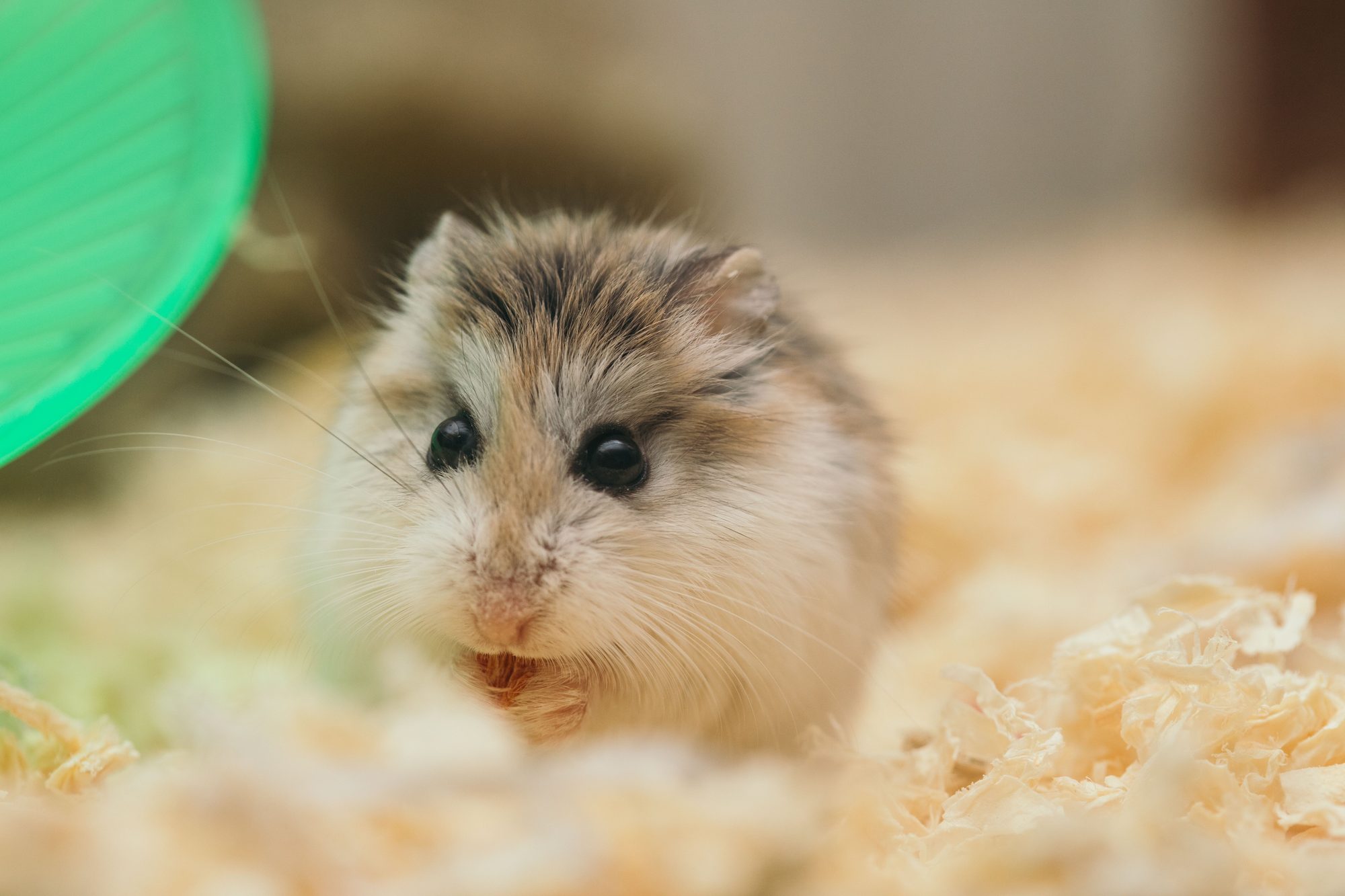
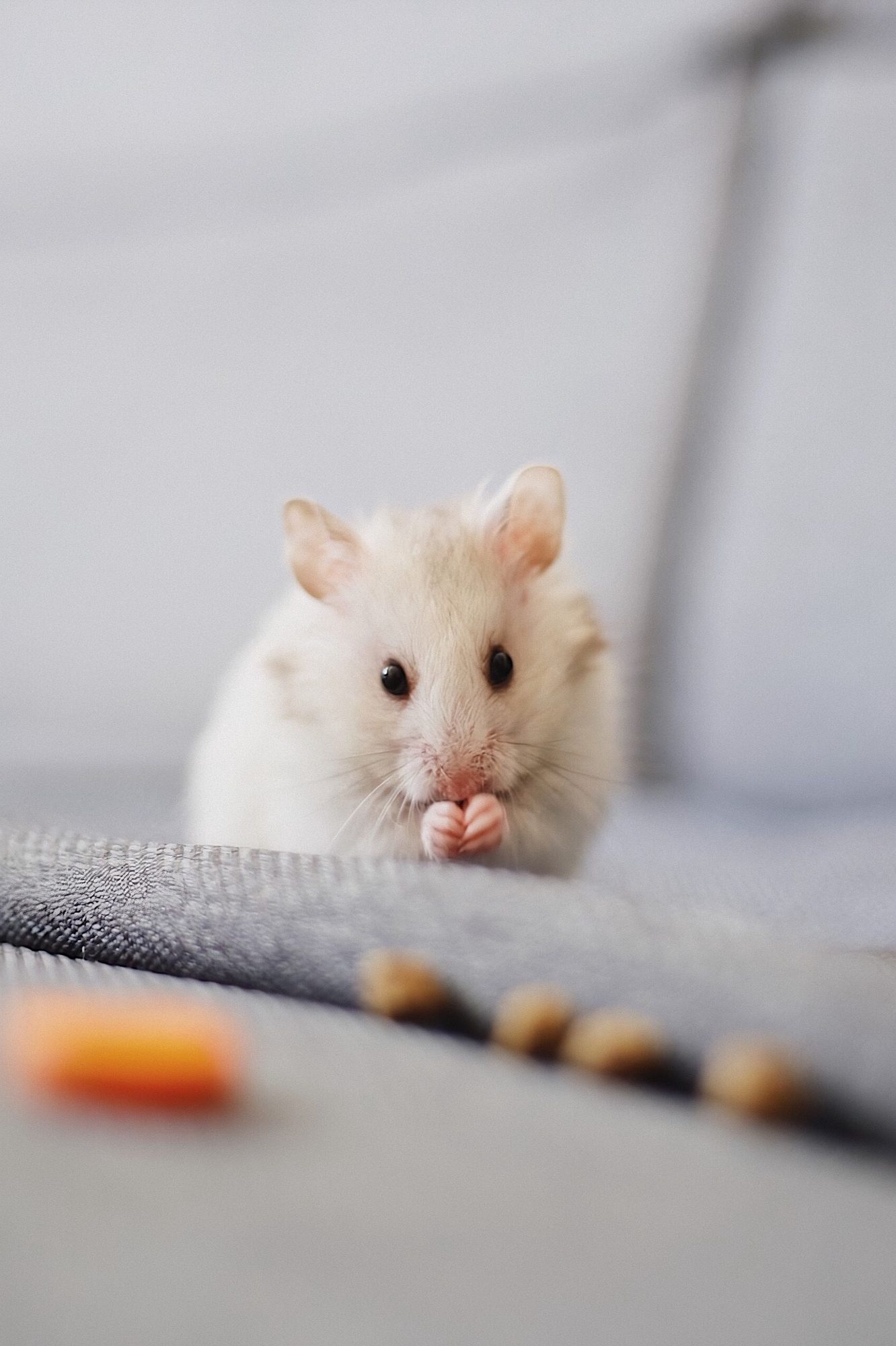
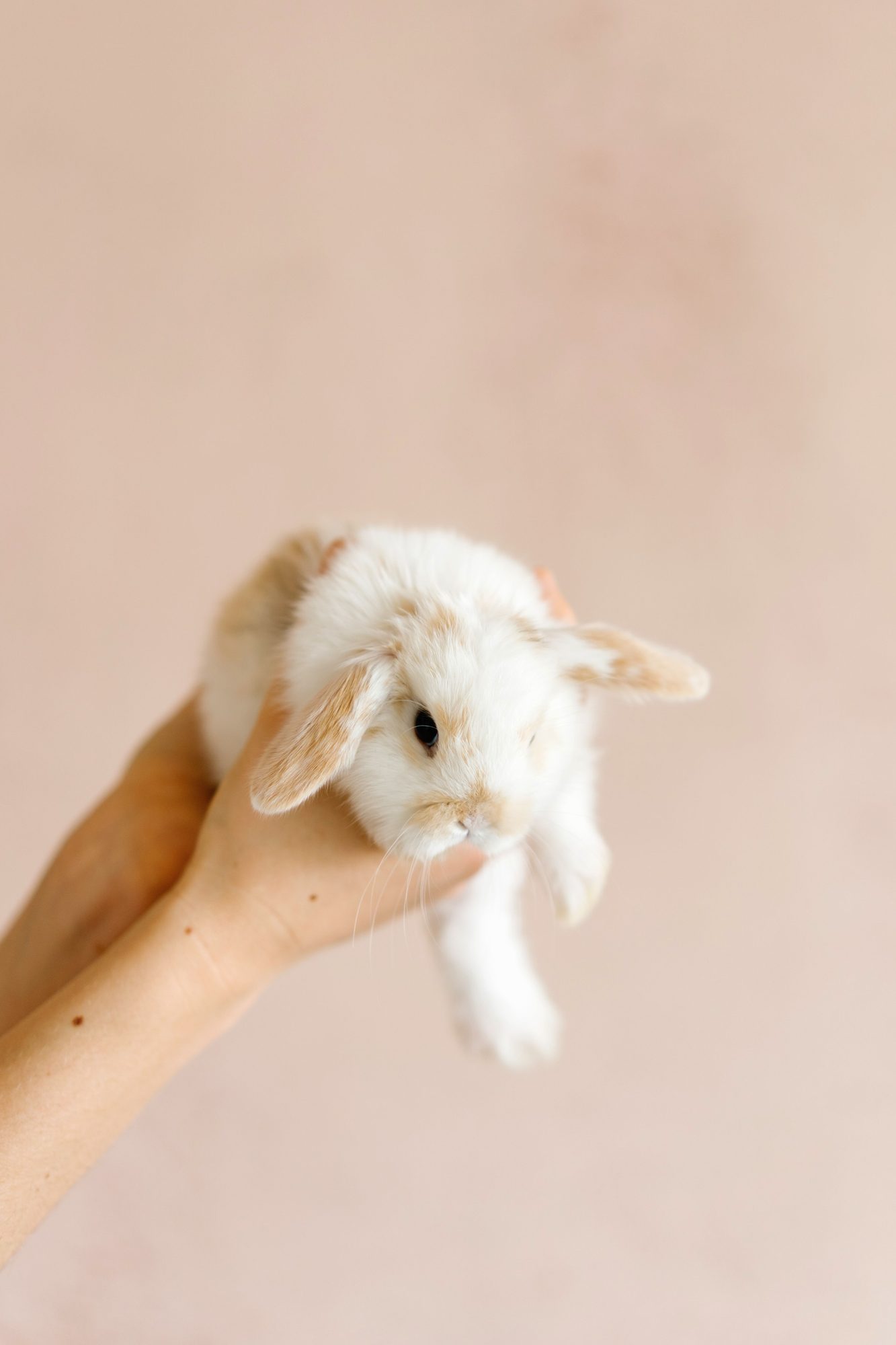
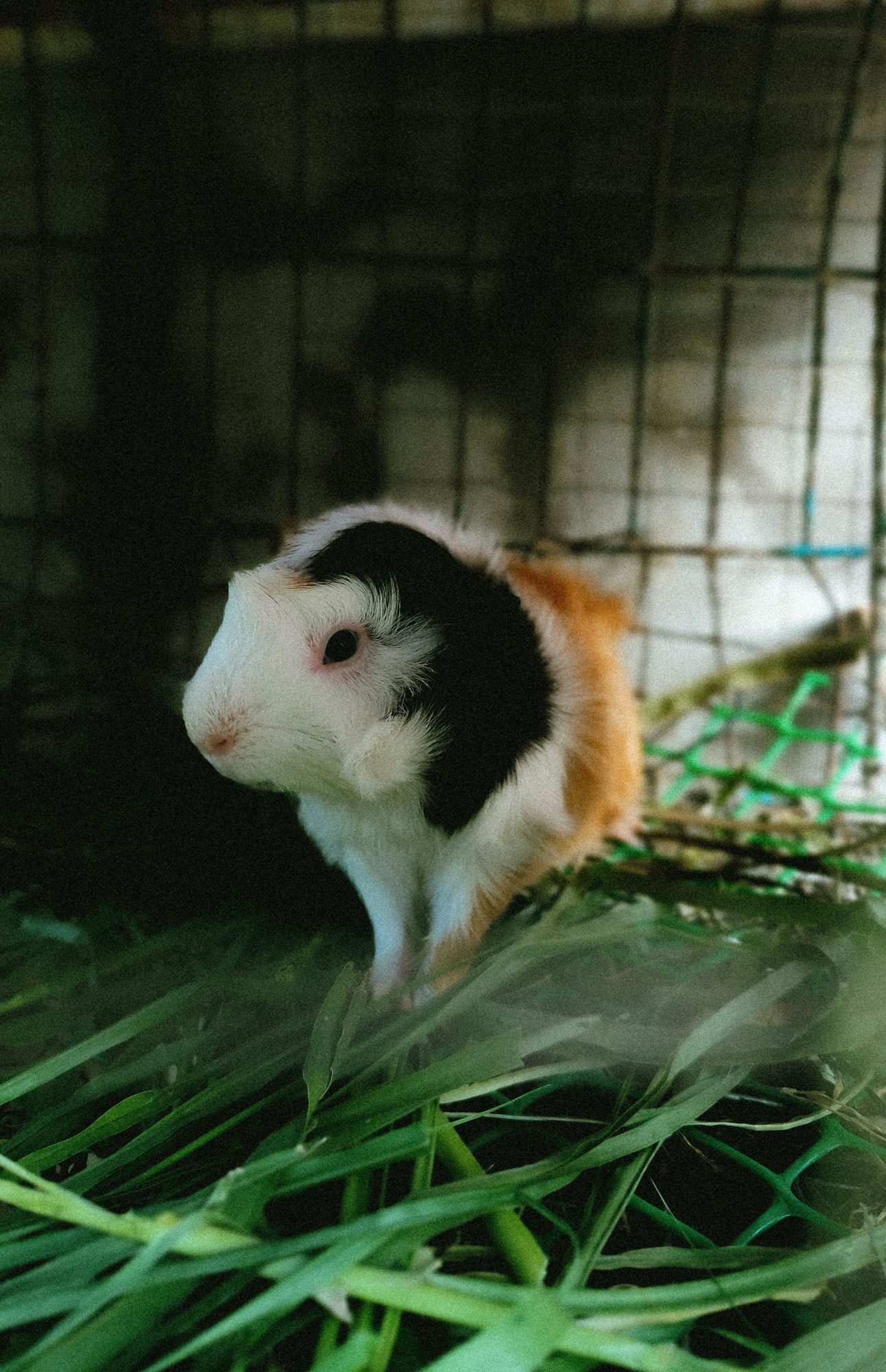
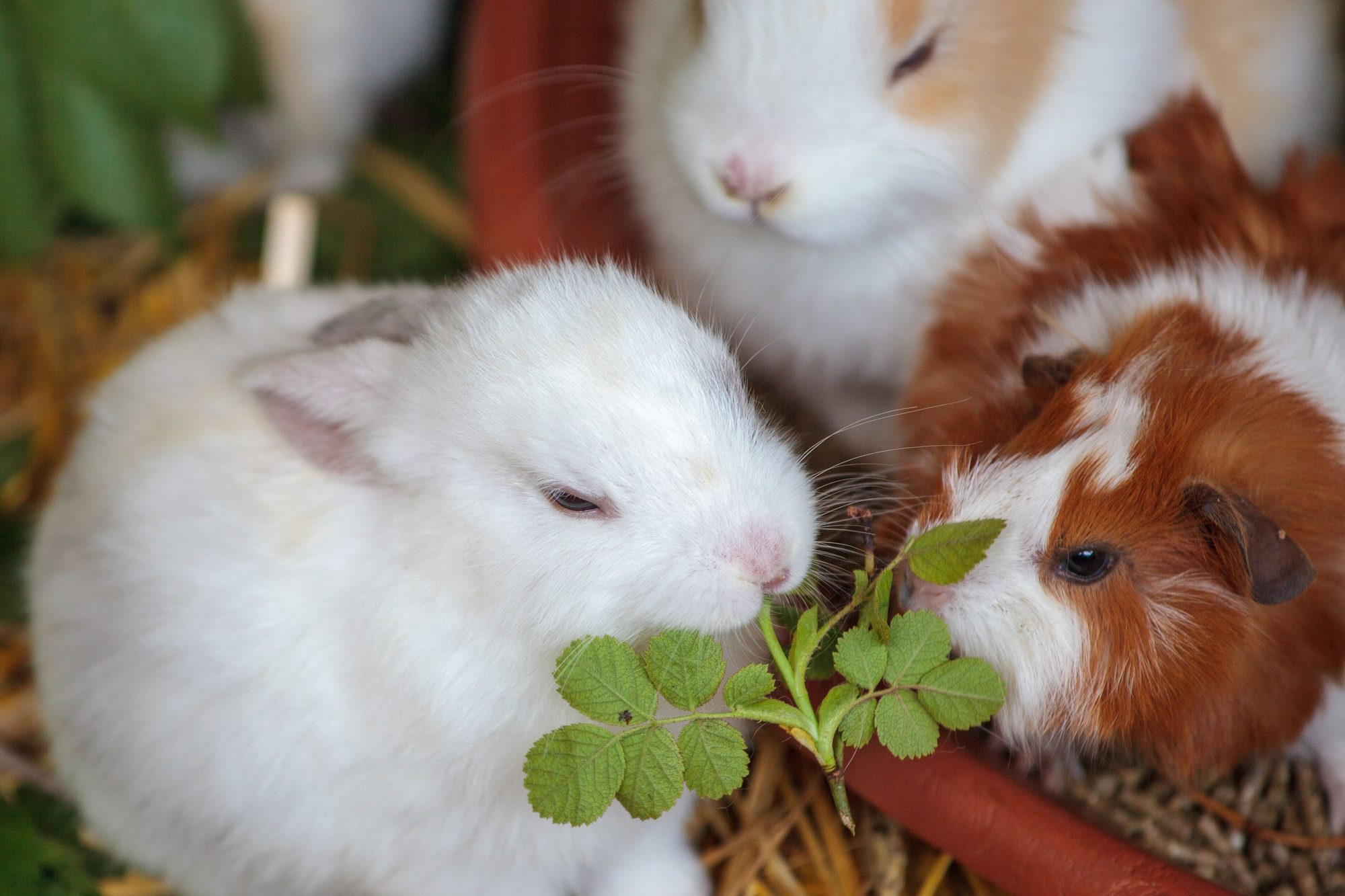
Small pets are not one nutritional group. Rabbits need constant hay or grass and a small measured amount of rabbit pellets; rats need a complete omnivore diet with limited safe variety; hamsters need a complete hamster diet with controlled treats and opportunities to forage. Using the wrong species food can create nutritional gaps or excesses.
Water and freshness
Check water every day even when a bottle appears full. Nozzle blockages, leaks, algae, freezing, or bedding contamination can prevent drinking. Clean containers regularly. Perishable greens, fruit, cooked egg, and wet food should be offered in small amounts and removed before they spoil.
Treats and food changes
Treats should be small and appropriate for the species. Avoid chocolate, onions, garlic, grapes, raisins, rhubarb, sugary foods, mouldy food, and unknown plants. Introduce one new item at a time and change diets gradually. Sudden changes can cause digestive upset, especially in rabbits.
Watch intake and output
Food refusal, reduced droppings, diarrhea, a dirty hind end, rapid weight loss, or a sudden change in drinking can become urgent in a small animal. Do not force-feed, give human medicine, or copy another pet's treatment plan without veterinary advice.
When to Contact a Veterinarian
Contact a veterinarian promptly for refusal to eat, diarrhea, a reduced or absent number of droppings, repeated vomiting where applicable, severe weakness, breathing trouble, or suspected poisoning. Small animals can deteriorate faster than owners expect.
FAQ
Can all small pets eat the same pellets?
No. Diets are species-specific. Always use food made for the animal and life stage you keep.
How quickly should I change food?
Change gradually unless a veterinarian directs otherwise. Monitor appetite and droppings during the transition.
Are fresh vegetables always healthy?
Not always. The safe choices and amounts depend on species, and sudden or excessive fresh food can cause problems.
Sources
These references informed this general-education guide. Your veterinarian can adapt the advice to your pet's species, age, health, and living conditions.
Content note
This guide is for general education. It does not represent a veterinary review or replace advice for your pet's individual situation.